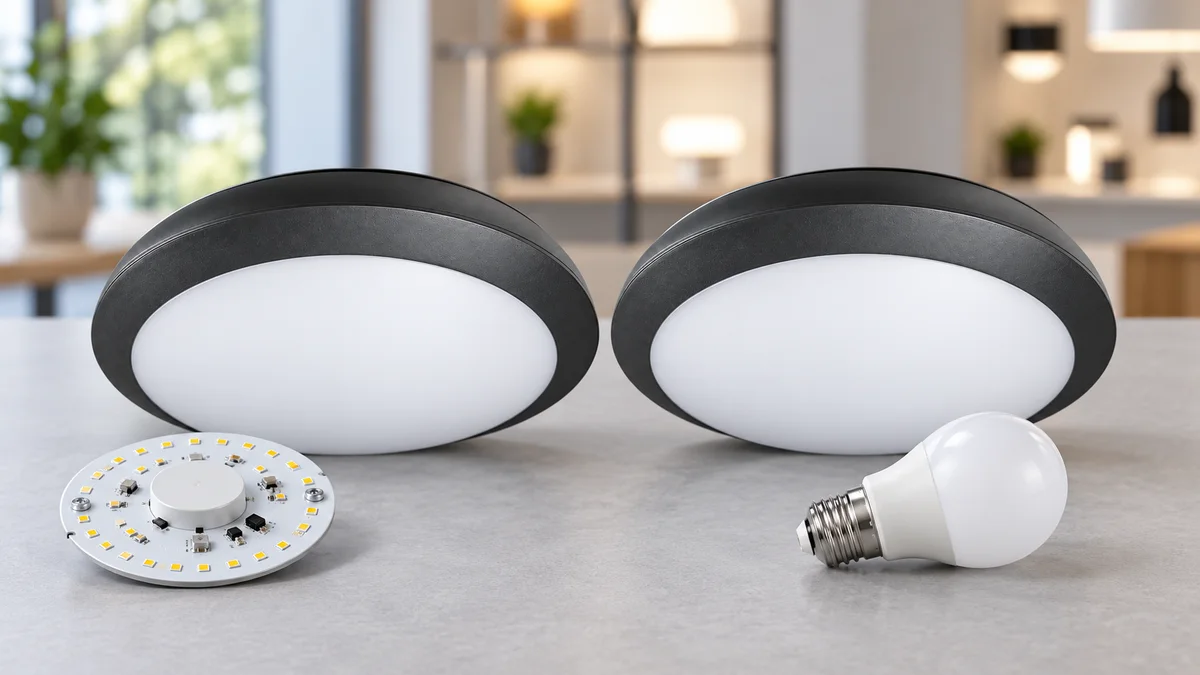
Two light-source options
Light-source options
LED or E27? Help Customers Choose a Ceiling Light
How to answer “What happens when it stops working?” and explain the trade-offs using one design with two light-source options.

Practical guides, product videos and technical documents for your lighting range.

Two light-source options
Light-source options
How to answer “What happens when it stops working?” and explain the trade-offs using one design with two light-source options.

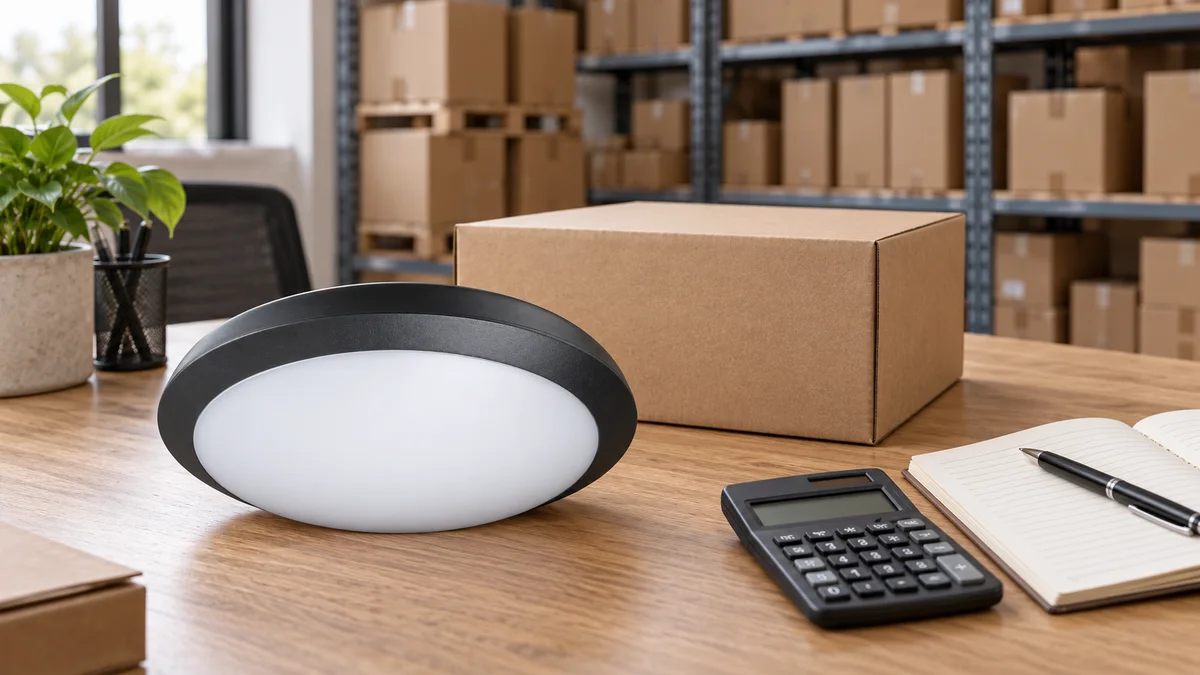
Selectable colour temperature + wattage
Range & inventory
Use selectable colour temperature and wattage to fulfil more types of orders from one stock pool.

Compare the total cost
Purchasing decisions
A slightly higher purchase price can still support a lower-cost range. The question is how much stock you need to hold—and what that stock costs you.

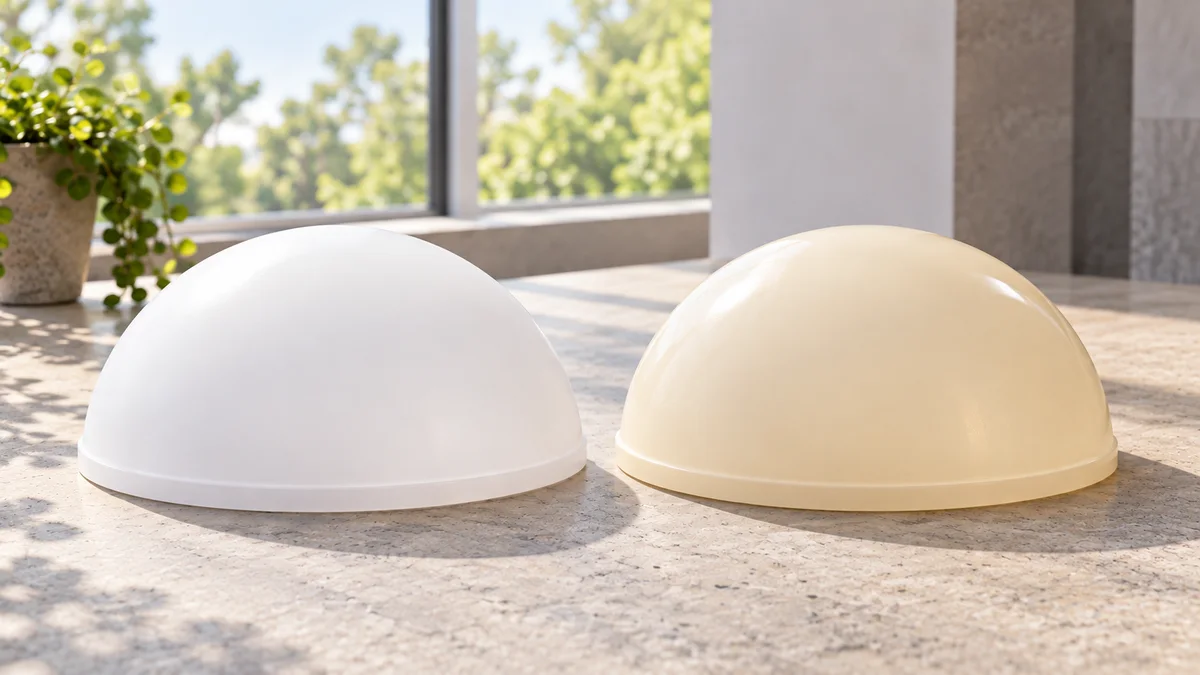
UV exposure: does the colour change?
Materials & weathering
What to compare in before-and-after UV footage, and what to ask before ordering a white housing or diffuser.

After UV: check impact resistance
UV & impact testing
A light can still look good after UV exposure. The next question is whether its housing and diffuser can withstand an impact.


Check housing, fixings & location
Coastal applications
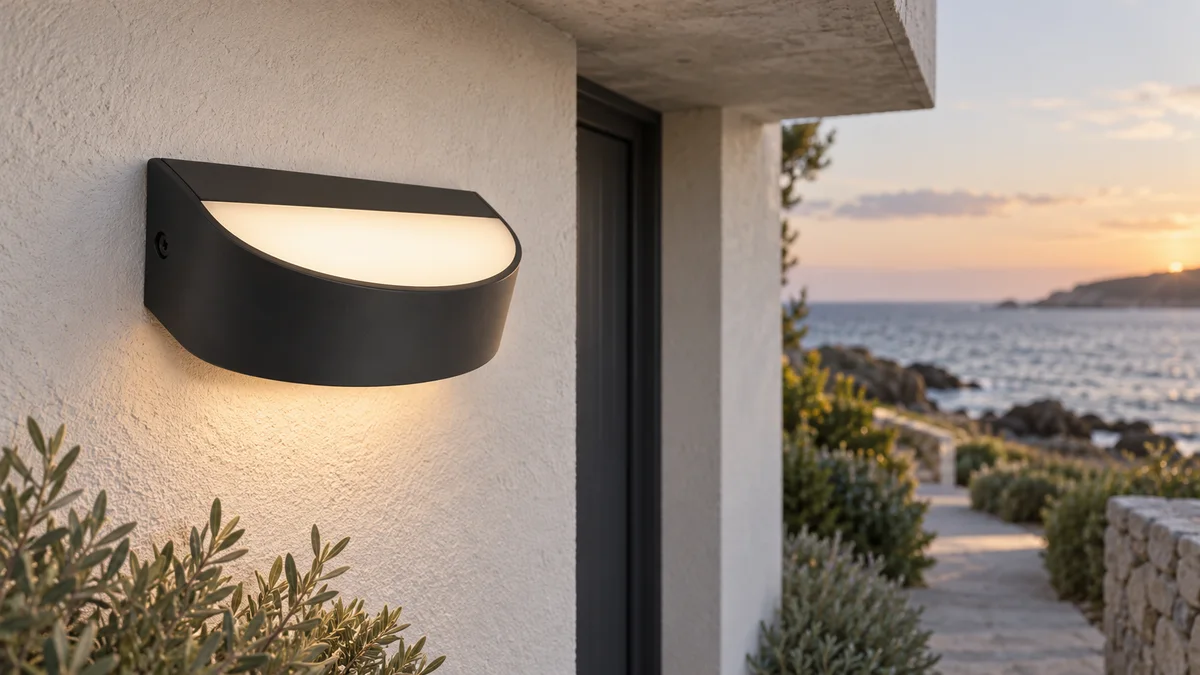
Compare an exposed seafront wall with a sheltered entrance before choosing the housing, fixings and maintenance requirements.

Match model, light source & options
Reports & documentation
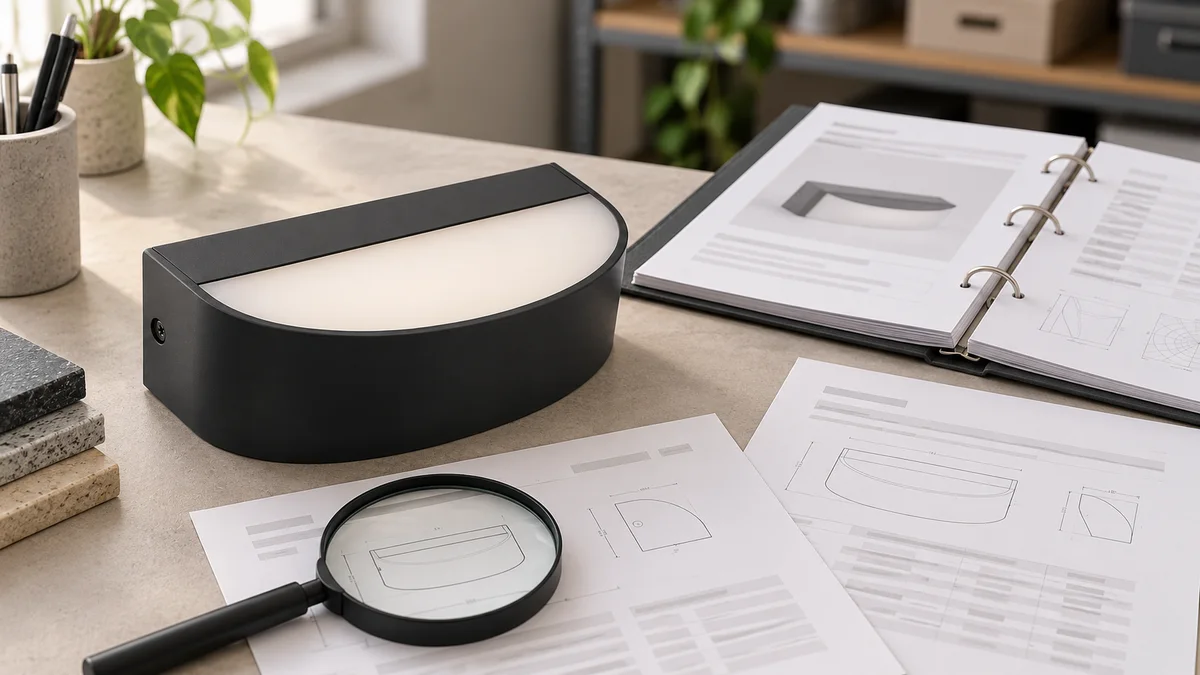
Put the quotation beside the report. Check the model, sensor option and light source before relying on the result.

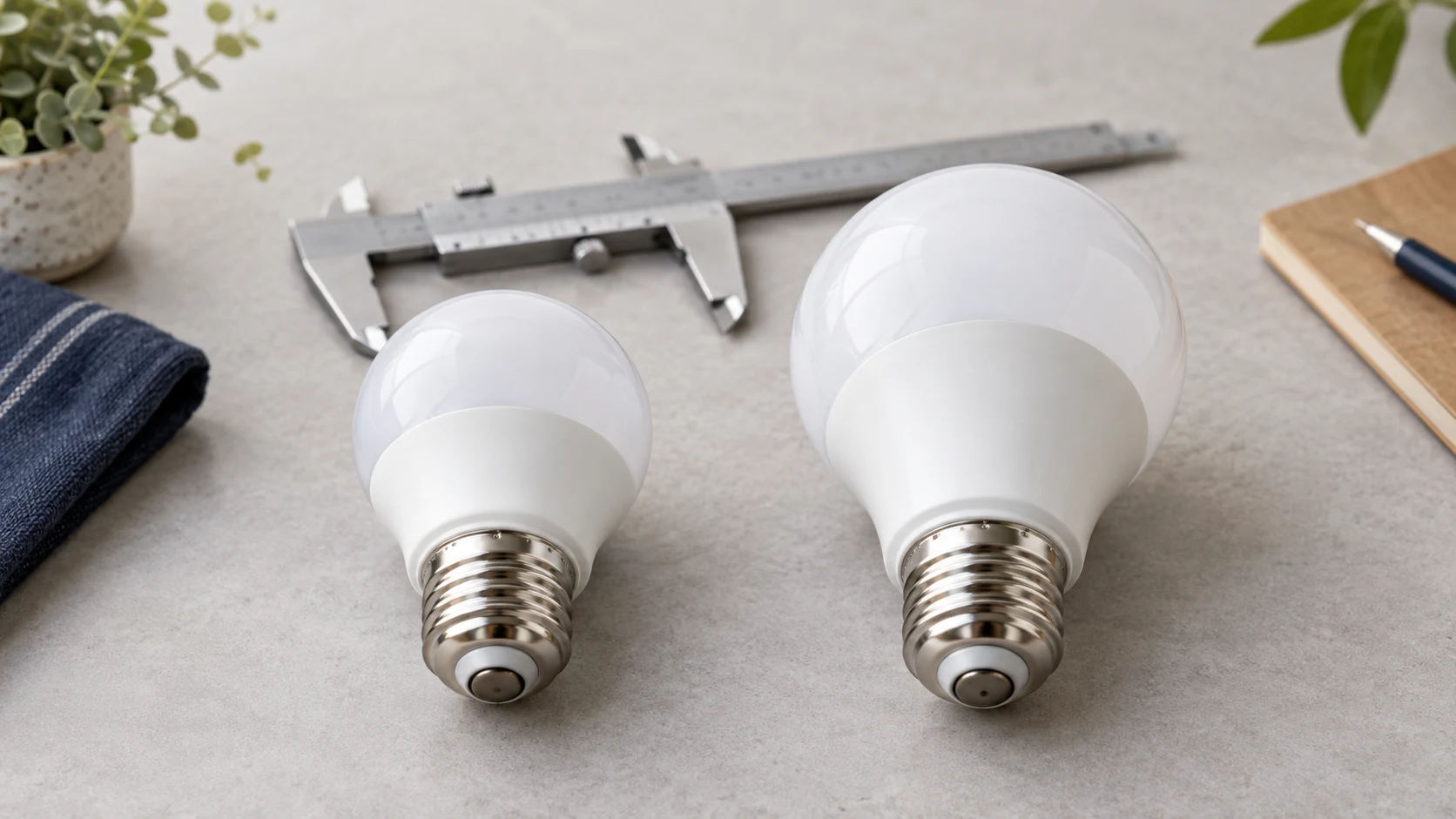
Same E27 base. Check bulb size.
Bulb selection
A replaceable bulb is an advantage only when your customer knows which replacement will work.

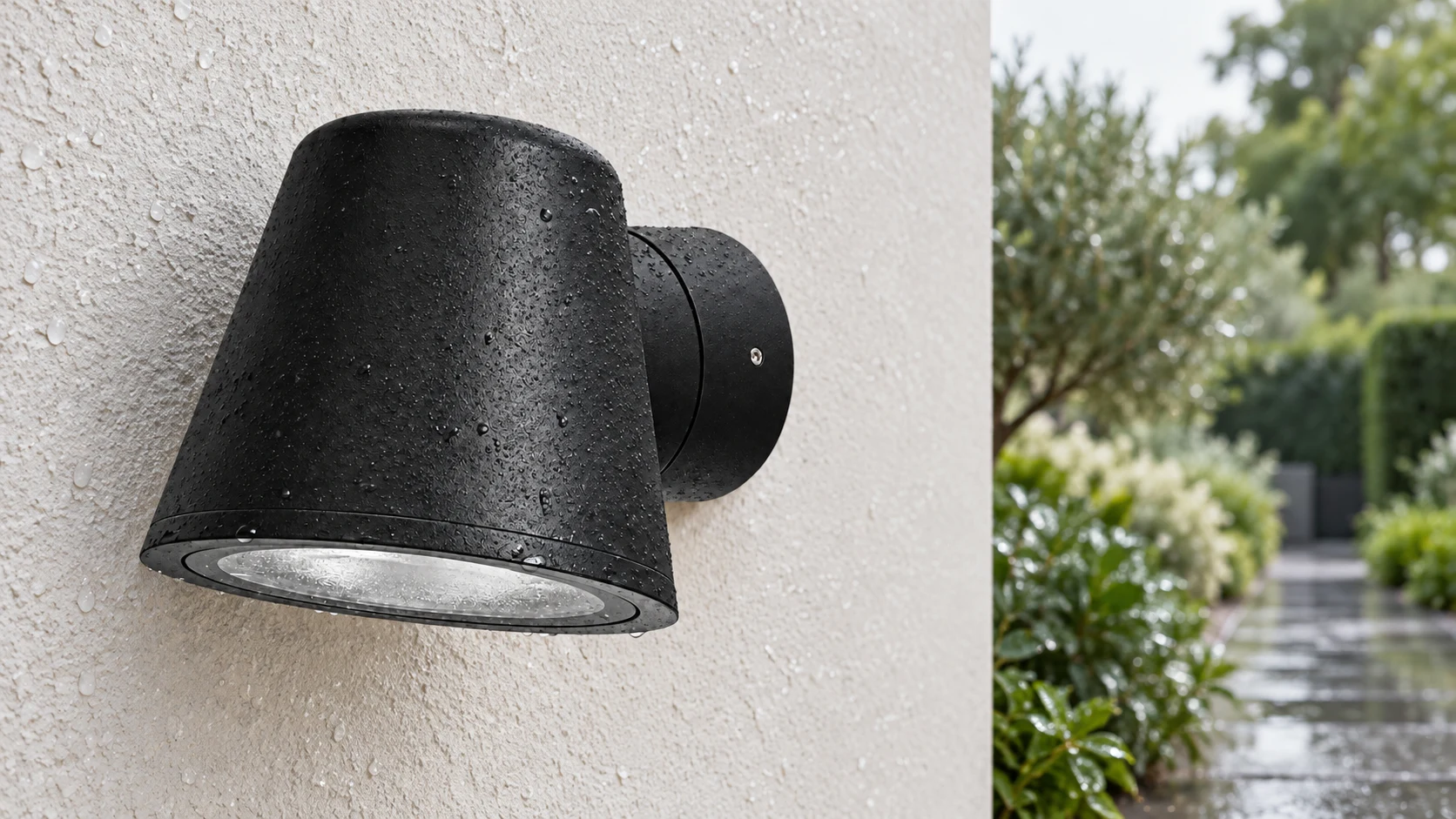
IP65? Verify the complete luminaire.
IP ratings & evidence
Turn a two-digit claim on a quotation into a check of the actual light your customer will install.

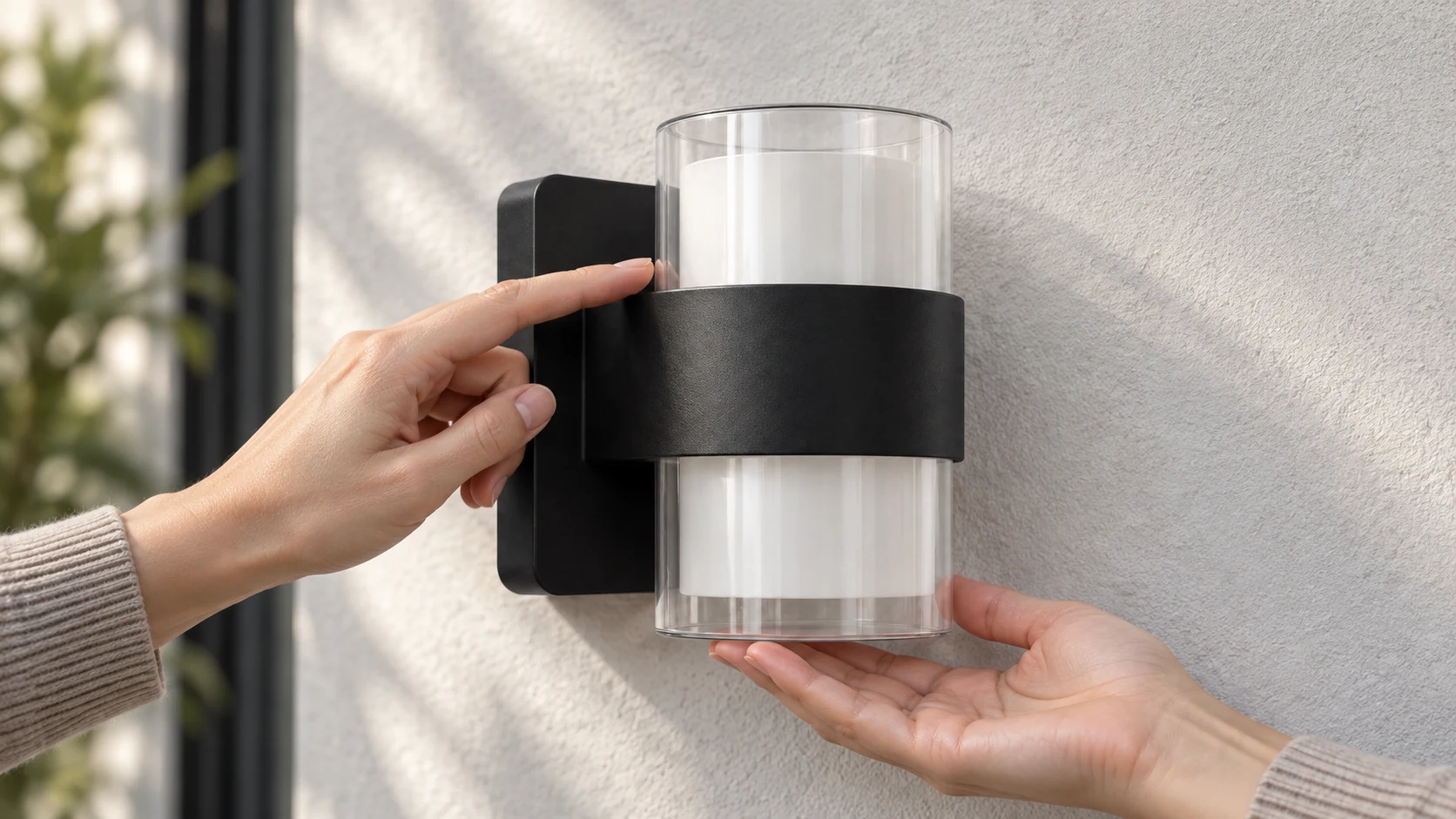
Use the opening guide for your exact model.
Customer support
Make “replaceable bulb” a benefit the customer can actually use, with instructions that match the product in their hands.

Plan protection—and replacement parts.
Packaging & replacements
Agree how a light is protected, checked and replaced before the first damaged delivery reaches your customer.

Illustrative scene · Path & steps
Buyer guide
Help customers choose light for the way they want to use their garden—not simply the largest number on the box.

Illustrative scene · Plan the control
Buyer guide
Recommend the control that suits the location: a front door, side passage and evening seating area do not need light in the same way.

Protective vent components
Buyer guide
Explain the physical process clearly, show what the vent is designed to do and distinguish temporary misting from water that needs investigation.

Illustrative scene · Packaging records
Buyer guide
Build a packaging file around the lights you import, with information you can trace to the actual order.

Real drive-over demonstrations
Buyer guide
Can cars drive over resin in-ground lights? Review real Hengen demonstrations and the model, load evidence and installation details buyers should confirm.

Immersion demonstration · Check installation
Buyer guide
Is IP67 enough for in-ground lights? Understand the rating, review Hengen’s immersion demonstration and check evidence and installation requirements.

Coordinate design, select each location
Buyer guide
When a customer wants the entrance, garage and garden lights to work together, recommend a coordinated family first, then select the right size and mounting format for each location. Matching the design does not mean using the same fixture everywhere.

Compatible accessories can be supplied together
Buyer guide
One garden can include soil, flower beds, concrete paths and stone paving. Supplying both a ground spike and a surface-mount base gives customers a practical way to use a coordinated bollard design in different locations: a spike for suitable soil, or a base secured with appropriate screws and anchors for a suitable hard surface.
Real dimensions. A view to scale.
Buyer guide
Will this wall light look right beside the customer’s door? A close-up cannot answer that—even for an experienced importer. Start with the product and the setting, then use its real dimensions and a scaled installation view to make the choice clear.
Explain what triggers the light
Buyer guide
“I switched it on, but it went dark. Is the light faulty?” Before arranging a return, show the customer what makes their sensor light turn on. A simple demonstration at the point of sale can explain more than a long troubleshooting sheet.
Class II: model-specific evidence
Buyer guide
“Why does this outdoor light have no earth connection?” Our plastic outdoor lighting range is designed as Class II. The protection comes from the complete luminaire’s double or reinforced insulation, so the fitting does not rely on protective earthing. We support that explanation with model-specific safety reports and installation information.
Own moulds. Long-term parts support.
Buyer guide
A customer returns years after buying an outdoor light: the housing or shade needs replacing, but the rest of the fitting is still usable. Can your business help? Our long-term spare-parts support gives importers and dealers a route back to the manufacturer—not just for globes, but for the housings and shades of the products we supply.
Follow the direction label
Buyer guide
An outdoor wall light should not leave its installer guessing which way is down. A clear direction label on the product, supported by a matching installation drawing, can prevent an avoidable mistake before the light is fixed to the wall. For our PW017 and PW019 types, we apply a downward-direction label during production.